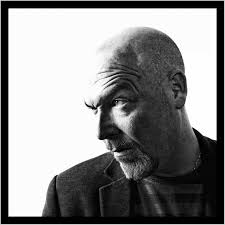
Ron Kolm in Conversation with John Wisniewski

Ron Kolm in Conversation with John Wisniewski

The underground literary world has always existed just outside the mainstream spotlight — alive in dimly lit bookstores, late-night readings, photocopied zines, and conversations between writers who care more about expression than commercial success. Few figures represent that independent creative spirit better than Ron Kolm.

Known throughout New York’s alternative poetry and performance scene, Ron Kolm has spent decades shaping and documenting underground literature through poetry, storytelling, editing, and public readings. His work blends raw honesty, urban realism, humor, and deeply personal observations drawn from city life itself.

In this conversation with writer and interviewer John Wisniewski, Kolm reflects on the evolution of independent poetry culture, the role of artistic communities in major cities, and why authentic voices still matter in an increasingly commercial digital landscape.


The Energy of Underground New York

For decades, New York City has been more than a backdrop for writers — it has been a living participant in the creative process. From the Lower East Side poetry scene to small art collectives and spoken word venues, the city helped shape generations of artists operating outside traditional publishing systems.

Ron Kolm emerged from that environment, where poetry readings were community gatherings and literary experimentation thrived without corporate gatekeeping.

According to Kolm, the underground scene succeeded because it prioritized authenticity over popularity. Writers were free to challenge norms, explore unconventional themes, and publish work that traditional outlets would often reject.

That same rebellious creative spirit remains deeply connected to modern urban culture today — from graffiti and street photography to hip-hop lyricism and independent digital publishing.


Poetry as Documentation of City Life

One of the defining aspects of Kolm’s work is how closely it reflects the rhythms of everyday urban existence. His writing captures fleeting conversations, emotional tension, loneliness, humor, nightlife, addiction, friendship, and survival within constantly changing city environments.

Much like street photographers documenting hidden moments or graffiti artists leaving messages across public walls, underground poets preserve emotional snapshots of urban culture that mainstream media frequently overlooks.

This connection between poetry and city documentation continues to inspire independent creators worldwide.

At its core, underground literature has always functioned as cultural preservation.


Independent Publishing Before the Internet

Long before social media and blogging platforms existed, independent writers relied on zines, literary magazines, photocopied chapbooks, and small press collaborations to distribute their work.

Kolm discusses how grassroots publishing networks created tight creative communities where artists actively supported one another’s projects.

These DIY systems allowed writers to maintain creative freedom while building loyal audiences organically.

Ironically, many modern creators are now rediscovering those same principles:

  • Direct audience connection
  • Independent publishing
  • Community-driven culture
  • Authentic personal branding
  • Niche artistic identity

The tools have changed, but the mindset remains remarkably similar.


The Relationship Between Poetry and Urban Art

Urban culture has never belonged to a single medium.

Graffiti, spoken word, punk music, underground film, photography, and hip-hop all emerged from overlapping creative spaces. They share a common foundation:

  • self-expression,
  • resistance,
  • experimentation,
  • and community storytelling.

Kolm’s reflections reveal how poetry naturally intersects with visual urban art forms.

A graffiti mural and a poem often attempt the same thing:
to leave a human mark on an environment that constantly erases individuality.

That philosophy remains central to modern street culture today.


Why Underground Voices Still Matter

In an online world dominated by algorithms, trends, and mass-produced content, independent artistic voices remain essential.

Underground writers continue to offer perspectives that are emotionally raw, politically unfiltered, and culturally honest.

Ron Kolm’s career serves as a reminder that creative impact is not always measured by mainstream visibility. Sometimes the most influential artistic movements develop quietly — through communities, conversations, and persistence over time.

The independent spirit behind underground literature continues to influence:

  • modern poetry,
  • street journalism,
  • alternative media,
  • hip-hop culture,
  • and urban creative communities worldwide.

Final Thoughts

The conversation between Ron Kolm and John Wisniewski reflects more than literary history — it captures the enduring relationship between art and urban identity.

Independent writers, street artists, musicians, photographers, and cultural archivists all contribute to the evolving story of city life.

At a time when creative work is increasingly shaped by trends and algorithms, underground voices continue reminding us why authentic expression still matters.

Eddie Woods Conversation John Wisniewski

Eddie Woods Conversation John Wisniewski

The history of underground literature is rarely found in standard textbooks. Instead, it lives in independent archives, old zines, and small-press magazines that captured raw creative voices while they were happening. One of the most fascinating examples of this underground history is the deep conversation between expatriate American poet Eddie Woods and cultural journalist John Wisniewski.

Originally published on the historical version of this site under the ephemera section, this landmark interview serves as a critical bridge between the post-Beat generation, the European avant-garde, and the global underground publishing movement.

For readers discovering this page today, looking back at the life of Eddie Woods offers a rare glimpse into a vanishing world of true creative freedom, artistic risk, and literary exile.

Who Was Eddie Woods?

To understand why this specific conversation holds so much weight, one must look closely at the remarkable life of Eddie Woods. Born in New York City in 1940, Woods passed away in Amsterdam on December 26, 2025. Over his 85 years of life, he became the definition of a cultural nomad and an artistic entrepreneur.

+-------------------------------------------------------------+
|                     EDDIE WOODS PROFILE                     |
+--------------------------+----------------------------------+
| Born                     | May 8, 1940 (New York, USA)      |
| Died                     | December 26, 2025 (Amsterdam)    |
| Core Creative Roles      | Poet, Prose Writer, Publisher    |
| Key Publishing Venture   | Ins & Outs Press (Amsterdam)     |
| Archival Home            | Stanford University Libraries    |
+--------------------------+----------------------------------+
| Selected Written Works   | - Tsunami of Love (Poetry)       |
|                          | - Smugglers Train (Fiction)      |
|                          | - Tennessee Williams in Bangkok  |
+--------------------------+----------------------------------+

Rather than taking a conventional academic path, Woods built his worldview through direct, raw life experience across the globe. After a stint in the United States Air Force during the early 1960s, he began an incredible journey of international travel that read like a picaresque novel. He worked as a journalist for the Bangkok Post and the Tehran Journal, managed a restaurant in Hong Kong, spent months as a lay devotee at a Buddhist island hermitage in Sri Lanka, and developed a reputation in Bali as a counterculture explorer.

During his travels, he crossed paths and spent time with legendary cultural figures, including iconic playwright Tennessee Williams, whom Woods accompanied on travels through Malaysia.

By the late 1970s, Woods chose Amsterdam as his permanent base. It was here that he truly cemented his legacy as a vital cultural organizer and independent publisher for American expatriates and European radical artists alike.

The Epicenter of Amsterdam Underground: Ins & Outs Press

In 1978, alongside his partner Jane Harvey, Eddie Woods launched Ins & Outs magazine. Two years later, the venture evolved into Ins & Outs Press. Operating from the heart of the Netherlands, this small, independent publishing house became an essential pipeline for avant-garde poetry, underground art, and radical prose that corporate houses in America and Britain refused to touch.

       [Global Expatriate Poets]        [European Avant-Garde Artists]
                   \                                /
                    \                              /
                     v                            v
               +----------------------------------------+
               |          INS & OUTS PRESS              |
               |     (Founded by Eddie Woods, 1980)     |
               +----------------------------------------+
                                   |
                                   | Distributed Globally via
                                   v
               +----------------------------------------+
               |     Independent Literary Underground   |
               +----------------------------------------+

Amsterdam during the late 20th century was uniquely suited for this type of creative disruption. The city was a haven for draft resisters, political radicals, experimental visual creators, and bohemian writers seeking an escape from mainstream societal constraints. Ins & Outs Press gave these voices a tangible, printed reality.

Woods published broadsides, poetry chapbooks, newsletters, and audio cassettes that circulated throughout a worldwide network of independent bookstores, universities, and private collections. His work as an independent editor was so significant that Stanford University Libraries officially acquired his complete personal and publishing archives in 2003, preserving his lifelong correspondence, rare manuscripts, and audio recordings for future generations of literary researchers.

Deconstructing the Conversation with John Wisniewski

The discussion between Eddie Woods and John Wisniewski stands out as a core piece of cultural journalism. Wisniewski, a respected interviewer known for digging deep into the histories of underground music, fringe cinema, and outsider literature, approaches Woods not just as a subject, but as a living historical repository of counterculture movements.

The dialogue covers several core thematic areas that define the modern artistic struggle:

The Realities of Creative Exile

Woods discusses the psychological shifts that occur when an American writer chooses to live outside their home country for decades. He reflects on how physical distance from the United States allowed him to view western culture with a sharp, critical eye, while simultaneously granting him the freedom to write without worrying about commercial marketability or mainstream trends.

The Mechanics of Small-Press Survival

A major portion of the interview focuses on the sheer grit required to run an independent press before the dawn of the internet. Woods recounts the physical challenges of printing, the financial strains of distribution, and the reliance on word-of-mouth networks to move radical literature across international borders. This perspective serves as an inspiration for modern independent content creators looking to build their own alternative spaces today.

Reflections on Legendary Contemporaries

Because Woods interacted with so many monumental figures of the 20th-century underground scene, his casual, firsthand memories of authors like Tennessee Williams provide invaluable nuance. He strips away the polished academic mythologies surrounding these iconic writers, presenting them instead as complex, flawed human beings navigating their own creative challenges.

The Cultural Significance of Ephemera

In the digital age, a conversation like the one between Woods and Wisniewski is often classified as “ephemera”—a word derived from classical roots meaning things that are short-lived or meant for a temporary moment. However, within modern independent web publishing, ephemera has taken on a entirely different meaning.

+--------------------------------------------------------------------------+
|                       THE DUAL NATURE OF EPHEMERA                        |
+------------------------------------------+-------------------------------+
| HISTORICAL PHYSICAL REALITY              | MODERN DIGITAL PRESERVATION   |
+------------------------------------------+-------------------------------+
| - Concert ticket stubs                   | - Raw, unedited interviews    |
| - Underground poetry zines               | - Behind-the-scenes essays    |
| - Event flyers and street posters        | - Spontaneous creative notes  |
| - Temporary political pamphlets          | - Primary source archives     |
+------------------------------------------+-------------------------------+

When web-based magazines dedicate space to ephemera, they are intentionally preserving the raw, unpolished building blocks of culture. An interview is not a structured textbook chapter; it is a spontaneous, real-time reflection of an artist’s state of mind. By protecting and spotlighting these dialogues, independent platforms prevent unique histories from being erased by mainstream algorithms that favor corporate mass production over authentic human storytelling.

Preserving the Legacy for Modern Creators

The permanent preservation of this page is about more than just maintaining historical web pages; it is about honoring a continuum of independent thought. The challenges that Eddie Woods faced in Amsterdam forty years ago—finding an audience, maintaining artistic independence, fighting financial instability, and avoiding corporate censorship—are the exact same challenges that underground writers, street artists, and digital creators face across the globe today.

By revisiting the Eddie Woods and John Wisniewski dialogue, we remember that true art requires courage, a willingness to step outside comfort zones, and a commitment to building community outside mainstream commercial systems. The radical independent energy that fueled Ins & Outs Press lives on every time a modern creator builds their own platform, tells an untold story, or preserves a piece of raw street culture.