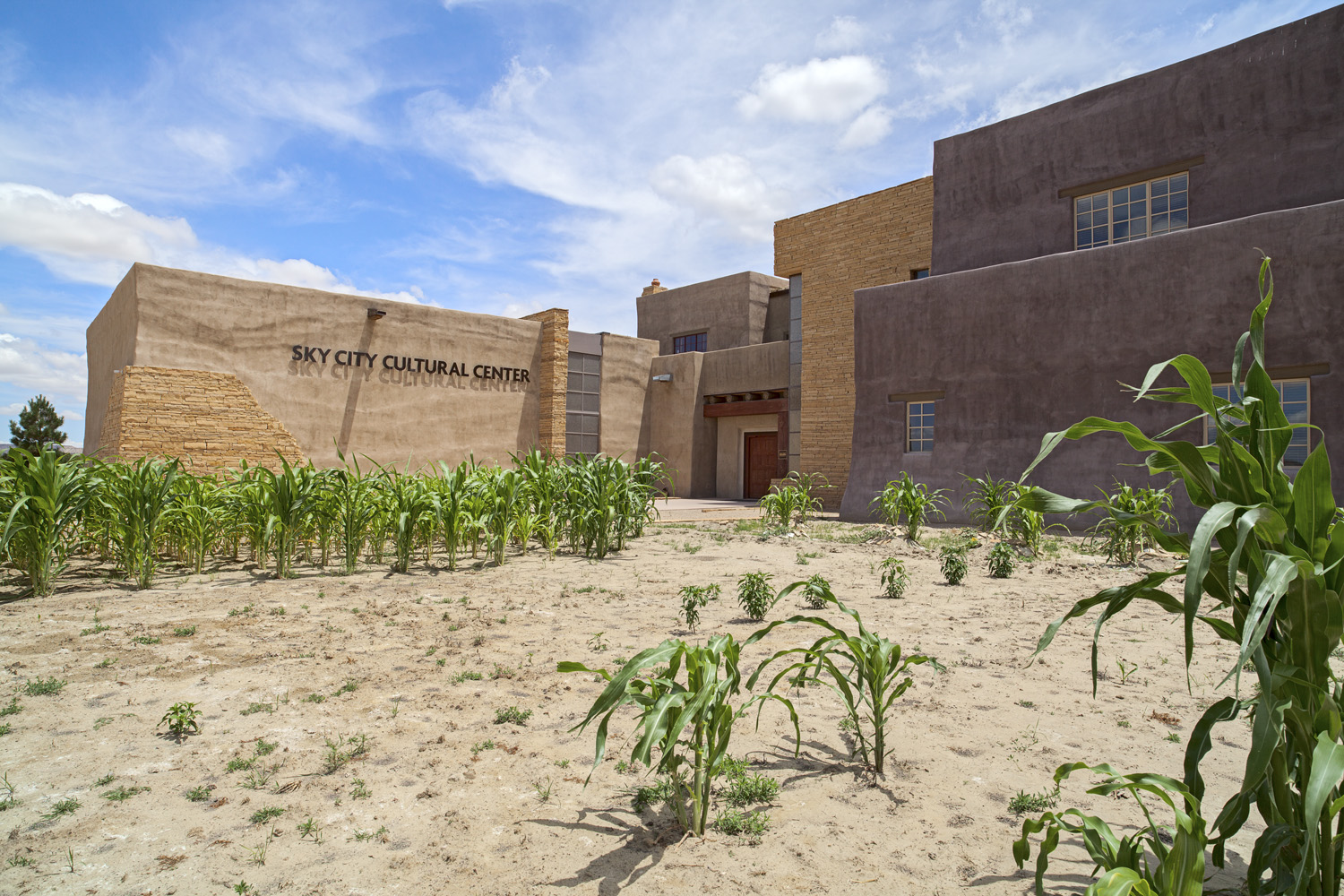
Sky City Cultural Center & Haak’u Museum: Exploring Acoma Pueblo’s Living Heritage

When Poetry Stops Feeling Like Poetry

Poetry is often described as a refuge. A place where people can express emotions, make sense of the world, and find beauty in ordinary experiences. But what happens when the poetry world itself becomes exhausting?

That question sits at the heart of “NYDC Blues: How I Tried to Escape the Sick World of Poetry” by Jose Padua. More than a personal essay, it is a reflection on artistic identity, creative frustration, and the complicated relationship many writers have with literary communities.

For anyone involved in urban arts, underground culture, independent publishing, or creative writing, Padua’s observations feel surprisingly familiar. The article is not simply about poetry. It is about trying to remain authentic in a world where creative spaces can sometimes become performative, competitive, and disconnected from real life.

The Search for Something Real

One of the strongest themes in Padua’s work is the desire to find authenticity.

Many writers begin creating because they want to communicate something honest. They want to capture experiences that cannot be expressed through ordinary conversation. Yet over time, artistic communities can develop their own expectations, trends, and unwritten rules.

Instead of encouraging creativity, these structures can sometimes pressure artists to fit into certain styles, social circles, or intellectual movements.

Padua’s reflections highlight a struggle that extends far beyond poetry. Musicians experience it. Street artists experience it. Photographers experience it. Anyone involved in creative culture eventually encounters the tension between personal expression and community expectations.

The challenge becomes simple but difficult:

How do you stay true to your voice while participating in a larger creative scene?

Urban Creativity and Artistic Fatigue

Cities have always been centers of artistic energy.

From graffiti-covered train cars to underground music venues and independent bookstores, urban environments provide spaces where creativity can thrive. At the same time, cities can also be overwhelming.

Artists are constantly surrounded by competition, noise, trends, and pressure to remain visible.

This environment can lead to a form of creative fatigue.

Instead of creating because they feel inspired, artists may begin creating because they feel obligated. Instead of exploring new ideas, they may chase recognition. Instead of connecting with communities, they may focus on building reputations.

Padua’s frustrations with the poetry scene reflect a larger issue within urban creative culture: the risk of losing sight of why we create in the first place.

The Underground Spirit

Many of the most influential cultural movements started outside traditional institutions.

Hip-hop emerged from neighborhoods often ignored by mainstream media. Graffiti developed as a form of public expression beyond galleries and museums. Independent poetry scenes flourished in cafes, community centers, and small venues where people gathered simply because they cared about words.

The underground spirit has always been about freedom.

Freedom to experiment.

Freedom to fail.

Freedom to create without seeking approval.

Padua’s writing reminds readers of that spirit. His desire to distance himself from unhealthy aspects of literary culture is not necessarily a rejection of poetry itself. Instead, it can be viewed as an attempt to reconnect with the original reasons he became a writer.

Many artists eventually discover that stepping away from a scene can help them rediscover their voice.

Why Creative Communities Matter — and Why They Sometimes Fail

Creative communities play an important role in artistic growth.

They provide support, feedback, inspiration, and opportunities for collaboration. For emerging writers, local poetry groups and literary events can be valuable places to learn and connect.

However, communities are made up of people, and people are imperfect.

Ego, competition, exclusion, and status-seeking can appear in any creative environment. When these dynamics become dominant, the focus shifts away from the work itself.

Instead of discussing ideas, people discuss reputations.

Instead of encouraging experimentation, they reward conformity.

Instead of building community, they create divisions.

Padua’s criticism speaks to these realities. His observations encourage readers to examine whether artistic spaces are serving creativity or simply reinforcing social hierarchies.

The Connection Between Poetry and Street Culture

Poetry and street culture share more similarities than many people realize.

Both emerge from everyday experiences.

Both transform ordinary language into something meaningful.

Both provide a voice for people who may feel overlooked.

Street art transforms walls into stories.

Hip-hop transforms conversations into music.

Poetry transforms observations into reflection.

At their best, all three forms are rooted in authenticity.

This is why Padua’s frustrations resonate beyond literary circles. The struggle to preserve authenticity is central to every urban art form.

Whether someone writes poems, paints murals, photographs city streets, or produces underground music, the challenge remains the same: creating work that feels honest.

Escaping Isn’t Always Running Away

The title suggests escape, but the essay raises an interesting question.

What does it actually mean to escape a creative world?

Sometimes it means physically leaving a community.

Sometimes it means taking a break from public participation.

Sometimes it means redefining success.

For many artists, stepping away creates space for reflection. Distance can reveal which aspects of a creative scene are meaningful and which are simply distractions.

Leaving does not always mean giving up.

In many cases, it is a way of protecting creativity from burnout.

The most enduring artists often spend periods working quietly, away from attention, before returning with renewed purpose.

Lessons for Writers and Artists

Jose Padua’s reflections offer several valuable lessons for anyone involved in creative work:

Stay Connected to Your Original Motivation

Remember why you started creating in the first place. Recognition and achievement can be rewarding, but they should not replace genuine expression.

Communities Should Support Creativity

Healthy creative spaces encourage experimentation, diversity of thought, and mutual respect.

It’s Okay to Step Away

Taking breaks can help prevent burnout and restore perspective.

Authenticity Matters

Audiences connect with honest work. Trends come and go, but authenticity remains powerful.

Art Exists Beyond Institutions

Creativity is not limited to galleries, publishing houses, literary organizations, or social media platforms. Some of the most meaningful work happens outside traditional systems.

Final Thoughts

“NYDC Blues: How I Tried to Escape the Sick World of Poetry” is ultimately about more than poetry.

It explores the complex relationship between artists and the communities they inhabit. It questions what happens when creative spaces become disconnected from their original purpose. Most importantly, it reminds readers that authenticity remains one of the most valuable qualities any artist can possess.

For writers, street artists, photographers, musicians, and cultural observers alike, Padua’s reflections offer a timely reminder: creative work should serve expression, not ego.

In an era where visibility often feels more important than substance, that message may be more relevant than ever.

Poetry, like all forms of urban art, is strongest when it remains connected to real experiences, real people, and real stories.